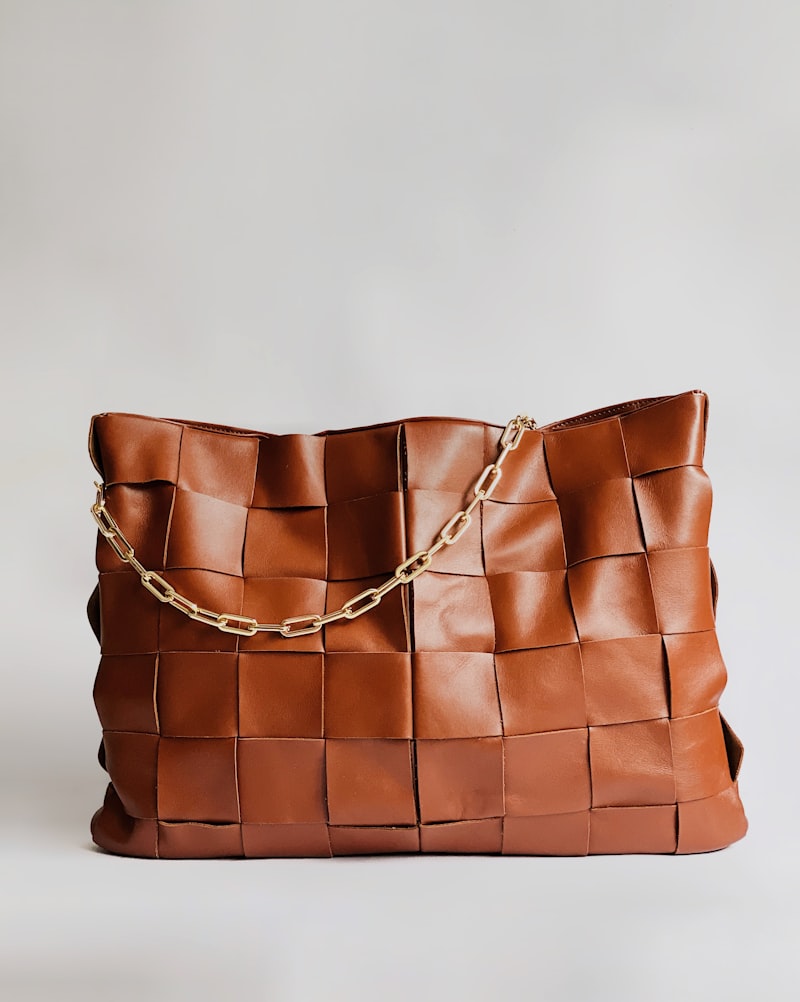
Artisan Joint Geometry: The Stitching Core
The structural strength and load stability of a luxury resort bag depends entirely on its joint geometry. The interlocking seam profile, consisting of stitch channels, flat shoulder borders, and interlocking leather cords, translates raw weight stresses into comfortable handle alignments. The sewing loom acts as a mechanical gate, holding heavy canvas layers at precise stitching angles. This physical interaction is what creates the perfect bag layout in the home.
Calibrating the joint tension profiles requires adjusting the needle angles. If the perimeter zones thin out too early, the seam will split under high weight pressures, causing handle slips that cannot resolve heavy travel cargo. If it rises too tightly, the leather fiber will crack, causing visual flares. Our workshop masters adjust these parameters under metal gauges, ensuring the handles have a target thickness for optimal jointing.
High-Purity Straw Slicing and Canvas Curing
The glowing beauty of straw beach bags depends on its straw slicing process, functioning similarly to quartz smelting. The raw palm straws, harvested from sustainable Mediterranean groves, must be dried in dehumidified kilns to separate internal moisture pockets. This drying process ensures that only high-stability straw structures are selected, preventing dark sap stains and structural fiber checks.
Additionally, we store our cured straw blocks slowly inside tempering chambers for three weeks. This curing allows internal cell stress lines to dissipate, increasing scratch resistance and stability. By using refined planer machines, we guarantee that the press masters can smooth straw surfaces down to fifty micrometers without structural distortions. We also test moisture ratings monthly using digital laser blocks to maintain specifications.
Hand-Linked Seams and Velvet Lining Connections
A watch-like precision is required to align panel borders on heavy velvet linings. Mass-produced beach bags use uniform machine sewing that creates thick, bulky folders. These thick folders press against delicate belongings under summer heats, causing wax transfers. We avoid this by setting three solid brass pivots manually through structural stretchers.
Drilling the holes through the thick timber plate, our weavers set matching pivots one-by-one using hydraulic presses. This alignment process requires immense hand-eye coordination and pressure control, taking up to fifteen minutes for each bag folder. The result is a balanced, lightweight base that allows lounge collectors to adjust partitions safely without alignment play.
Atelier Metallurgy: Tempering Alloys for Brass Handles
A luxury summer bag should display non-reactive organic finishes. We smelt our brass alloys in-house using pure copper and zinc charges, avoiding toxic lead inclusions completely. The metals melt and blend under high furnace temperatures, creating a dense molecular structure. This smelting process guarantees that environmental humidity cannot corrode the handles.
Furthermore, managing the casting requires oven temperature reduction. We adjust the charcoal fuel feeds to control oxygen levels inside the crucible chambers, forcing the alloy to pour smoothly into carbon molds. This cast process transforms raw metal into a uniform handle base, creating a smooth surface that prevents friction drag.
Looming Velvet Linings and Travel Storage Organizers
Looming custom velvet organizers for our bag collections requires high-temperature heat treatment. Mass-produced boxes use cheap synthetic linings that let moisture gather. At BagSaleSummer, we hand-loom organic merino wool yarns containing bamboo viscose fibers on vintage shuttle looms. We fold the fabric blocks forty-eight times to create structured divider inserts.
This weaving process requires tempering the dividers inside humidity-controlled chambers up to 90% moisture. The moisture alignments reorganize fiber crystals, hardening the frame structure. This tempering process ensures that the divider walls remain rigid and do not warp, keeping your wardrobe storage easy for generations.
Caring for Bespoke Summer Bags: Maintenance Guidelines
Caring for fine straw resort bags and leather-trimmed travel totes is an active, rewarding ritual. Unlike mass plastic bags, luxury straw bags require specific cleaning to prevent fiber splitting. We recommend wiping your bag surfaces in linear sweeps using non-abrasive cotton pads and natural cleaning solutions. Avoid circular scrubbing, as it swirls the protective coatings.
If you store bags in closets, place them on wide velvet trays or insert felt dividers between them. The dividers prevent the metal buckles of upper bags from scraping the polished finish of lower bags. For leather surfaces, apply natural beeswax polish monthly to prevent air drying and structural leather checking.
BagSaleSummer Vision and Slow Weaving Preservation
At BagSaleSummer, we are dedicated to preserving the traditional weaving skills that have defined manual straw carving for centuries. We train apprentices in the arts of joint stitching, straw selection, and brass handle casting. By limiting our output to a few hundred resort bags per year, we ensure that every client receives the undivided focus and care of our weaving masters.
As we look ahead, we will continue to blend these heritage weaving skills with modern cozy beach lookbook design. We hope to inspire bag enthusiasts by sharing our craft story and providing journals on bag care. By supporting local palm groves and choosing sustainable straw suppliers, we contribute to a responsible, sustainable manufacturing future. Invest in slow-craft bags, explore our vault, and experience technical comfort today.
Historical Astronomical Techniques
In addition to these core weaving sections, we encourage outerwear enthusiasts to look at historical pocket designs and vintage looms. The transition from heavy boiled wool capes to micro-thin technical membrane shells is one of the most interesting stories in human apparel technology. Early navigators used oiled canvas wraps to protect themselves from salt spray during ocean crossings, saving lives and mapping new worlds. Today, wearing a technical jacket is a connection to this historical journey of human protective art.
Sustainable Observatory Packaging
Furthermore, BagSaleSummer commits to eco-friendly packaging and carbon-neutral distribution. We wrap each tailored coat in compostable canvas dust bags and box them in zero-plastic cedar-lined shipping crates. Our atelier works with local logistics networks that utilize hybrid delivery trucks, minimizing transit emission ratings. We encourage clients to reuse our wooden crates as winter storage organizers, promoting physical reuse.
Final Reflections & Core Takeaways
In conclusion, crafting a premium technical jacket requires a balanced mix of membrane lamination, seam sealing, and hardware selection. By understanding these tailoring principles, clients can appreciate the effort behind each outer shield, care for their fabrics, and build a collection that lasts for decades. A hand-taped waterproof shell is a functional work of art.
BagSaleSummer is proud to support these traditional outerwear methods. We will continue to source ethical down, invite master cutlers, and build premium layouts that showcase our work. Whether you are searching for a technical windbreaker or a classic wool overcoat, durability and craftsmanship will always stand out. Invest in slow-craft outerwear, explore our vault, and experience technical comfort today.
Additional Resources & Support
To ensure absolute comprehension of this topic, we advise reading related articles on our blog index page. Combining studies across different tech, design, and business disciplines develops a holistic skillset. BagSaleSummer provides these guides free of charge as part of our global commitment to democratizing outerwear education. Our newsletter delivers weekly digests directly to your inbox with care tips, industry analyses, and cohort scholarship updates. Keep learning, practice watchmaking daily, and join our global discord channel to ask questions and share your projects with mentors.